Aquariums for fishmongers: professional solutions for displaying and maintaining live fish
Tanks for live fish, crustaceans and molluscs, filtration, oxygen and temperature, hygiene and centralised systems: how a fishmonger aquarium is designed.
Aquariums for fishmongers represent an essential solution for all commercial businesses wishing to enhance the sale of live seafood, offering their customers a more complete, transparent and engaging shopping experience. Designed to meet the specific needs of the seafood sector, these systems allow fish, crustaceans and molluscs to be kept alive within controlled environments, guaranteeing suitable conditions for the characteristics of the different species.
A modern fishmonger is distinguished not only by the quality and variety of fish sold, but also by its ability to present its products in an orderly, professional and functional manner. Adding a professional aquarium allows you to transform the display area into a space of great visual impact, where customers can directly observe the live product and choose with greater awareness.
Creating a fishmonger aquarium means designing a complete system in which every element must contribute to the correct operation of the structure. Tanks, filtration systems, circulation pumps, oxygenation devices and temperature control systems must be sized according to the species housed, the quantities managed and the characteristics of the shop.
Solutions can be developed for small independent fishmongers, specialist shops, fish markets, supermarkets, hypermarkets and large food distribution facilities. Each project is defined considering the available space, the organisation of the department, the operational needs of the staff and the commercial objectives of the business. The goal is to build reliable, functional and easily manageable professional aquariums, capable of enhancing seafood and integrating perfectly into the retail environment.
Professional aquariums designed for the needs of fishmongers
A fishmonger aquarium must possess different technical features compared to a standard ornamental tank. It is not simply a matter of displaying fish inside a transparent container, but of creating a system engineered to maintain controlled environmental conditions and allow efficient daily management. The needs of a fishmonger are closely tied to the types of products sold. Marine fish, crustaceans and molluscs have different biological characteristics and may require specific parameters for temperature, oxygenation, salinity and water quality. For this reason, the design must start with an in-depth analysis of the species that will be housed and how the system will be used. A professional aquarium can be built using a single tank or multiple independent compartments, organized to separate different product categories. This configuration allows environmental conditions to be managed more precisely and simplifies handling and maintenance operations. The structure must also ensure easy access to the tanks, enabling operators to carry out checks, feeding, cleaning and livestock transfer without difficulty.
The choice of materials, dimensions and technical equipment is made according to the installation context. A system intended for a small commercial business will have different characteristics compared to one needed for a large fishmonger or for the seafood department of a hypermarket. As you can see, customisation represents a central element in achieving a truly effective solution.
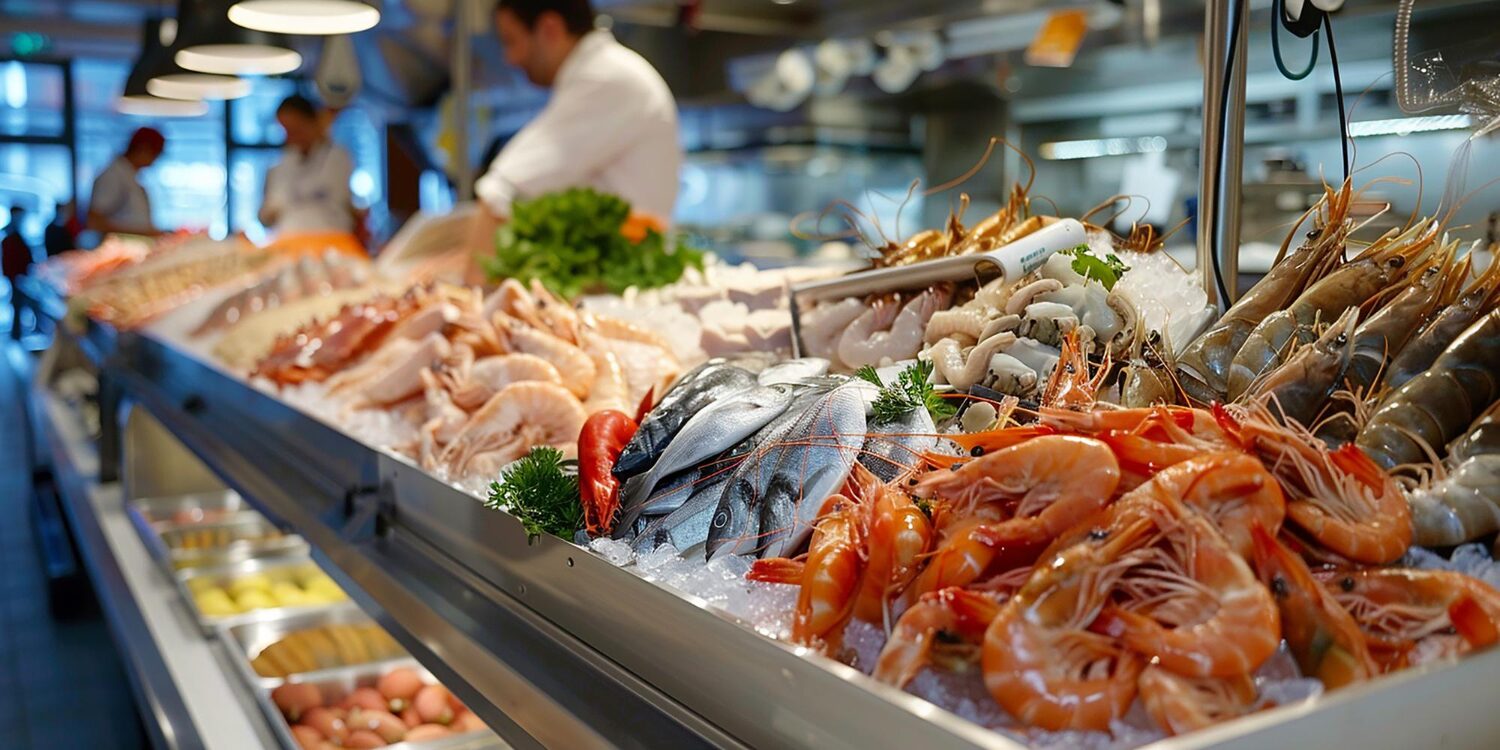
Live fish tanks: display, functionality and construction quality
Live fish tanks are the heart of any professional system intended for a fishmonger. They must allow a clear view of the product, offer suitable environmental conditions for the animals housed and enable staff to work practically and safely. Tank dimensions are determined by considering the volume of water required, the quantity of product to be maintained and the characteristics of the species sold. Proper sizing allows for better organisation of space and avoids overcrowding situations that could compromise animal welfare and system stability. The choice of technical construction materials plays an important role. Surfaces must be durable, easy to clean and compatible with the intended conditions of use. Glass, technical plastic materials and other specific solutions can be evaluated based on tank dimensions, desired transparency and the structural characteristics of the installation.
Particular attention must also be paid to the load-bearing structure. The overall weight of a professional aquarium can be considerable, especially when large tanks or multi-module systems are installed. It is therefore necessary to carefully evaluate the supports, load distribution and floor conditions. Tanks can be installed inside display counters, integrated into the fishmonger's furnishings or built as freestanding structures. The configuration is chosen to optimise product visibility and ensure maximum practical convenience during daily activities. Every detail contributes to the final quality of the system: from the layout of access points to the location of drains, from ease of cleaning to the ability to carry out technical maintenance without completely interrupting the operation of the other tanks.
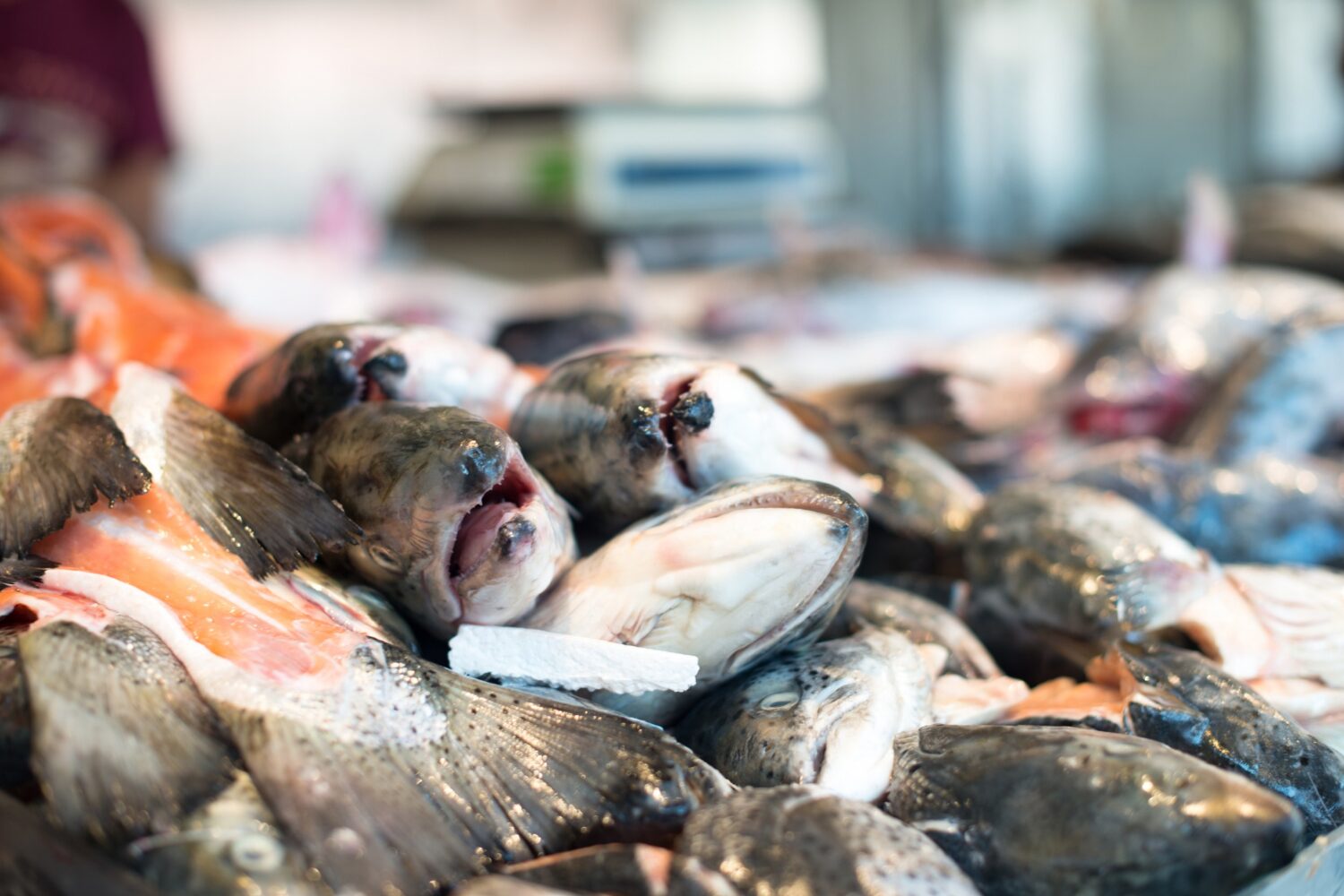
Aquariums for crustaceans and molluscs
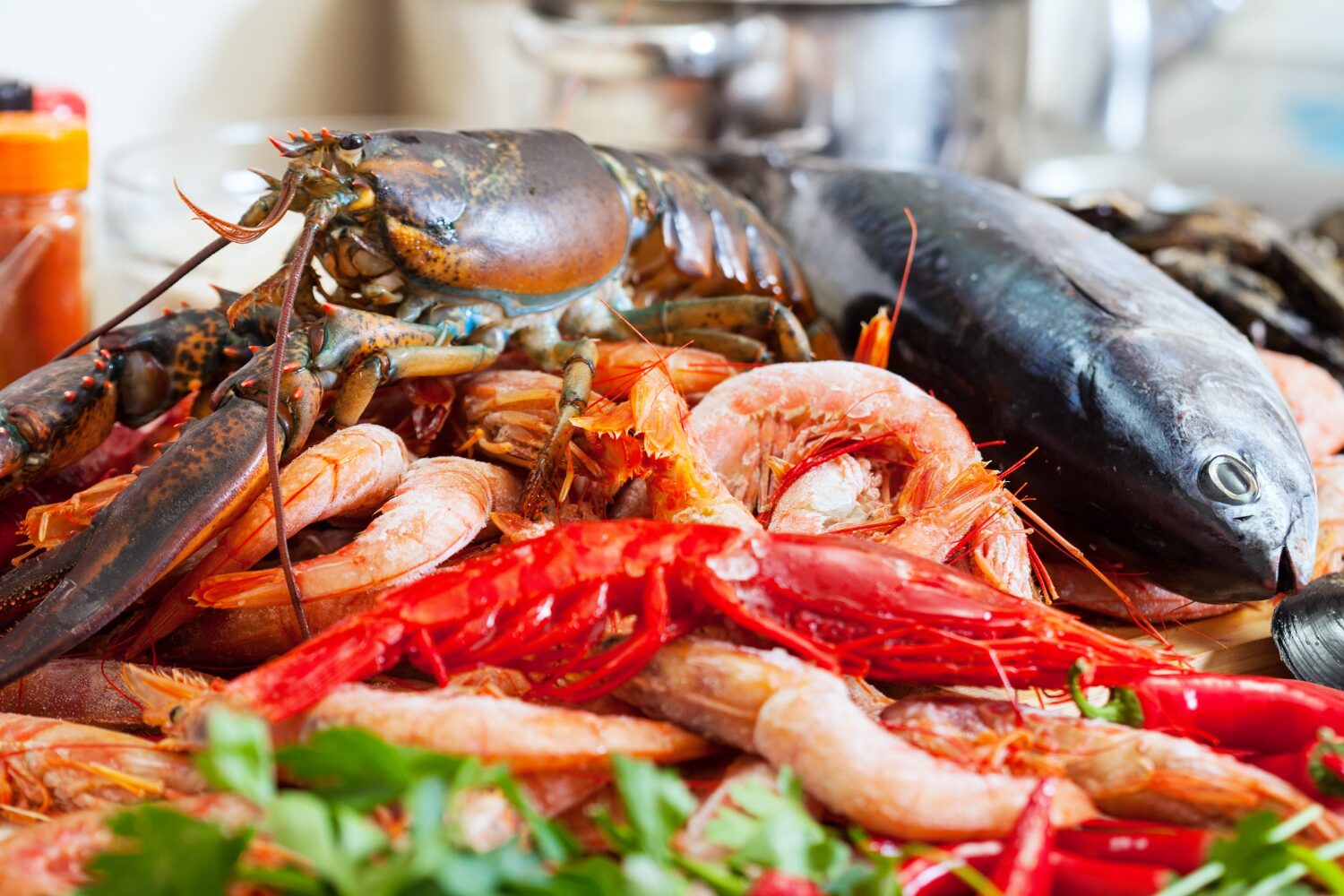
Fishmongers selling live crustaceans and molluscs need specific solutions designed to meet the needs of different species. Lobsters, spiny lobsters, crabs, spider crabs and other crustaceans require environments suited to their biological characteristics. Proper management of temperature, oxygenation and water quality is a fundamental aspect of maintaining stable environmental conditions.
Read moreClose
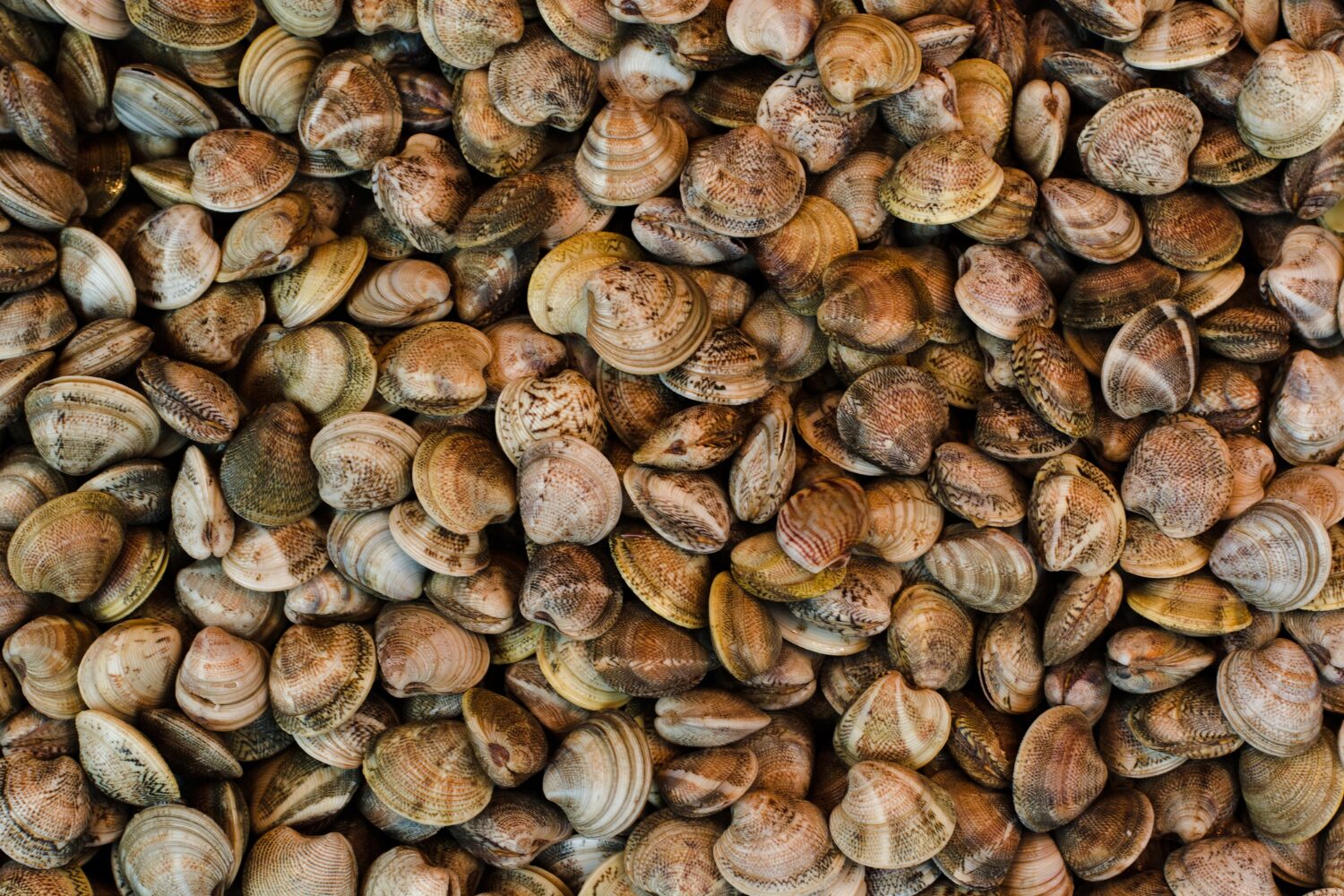
In many cases, it is advisable to provide separate compartments to limit interactions between animals and facilitate management operations. The internal layout must allow good accessibility and enable staff to carry out routine retrieval and inspection operations. Live molluscs also require special attention. Mussels, clams, oysters and other species may require dedicated systems, designed according to holding methods and product characteristics.
Designing an aquarium for crustaceans and molluscs must therefore consider not only aesthetics, but above all the biological and operational functionality of the entire system. The option to create differentiated tanks allows the display to be organised more rationally, enhancing different product types and facilitating the work of sales staff. A professional system can include multiple tanks connected to a shared plant room or independent circuits, chosen based on the needs of the species housed and the required level of separation.
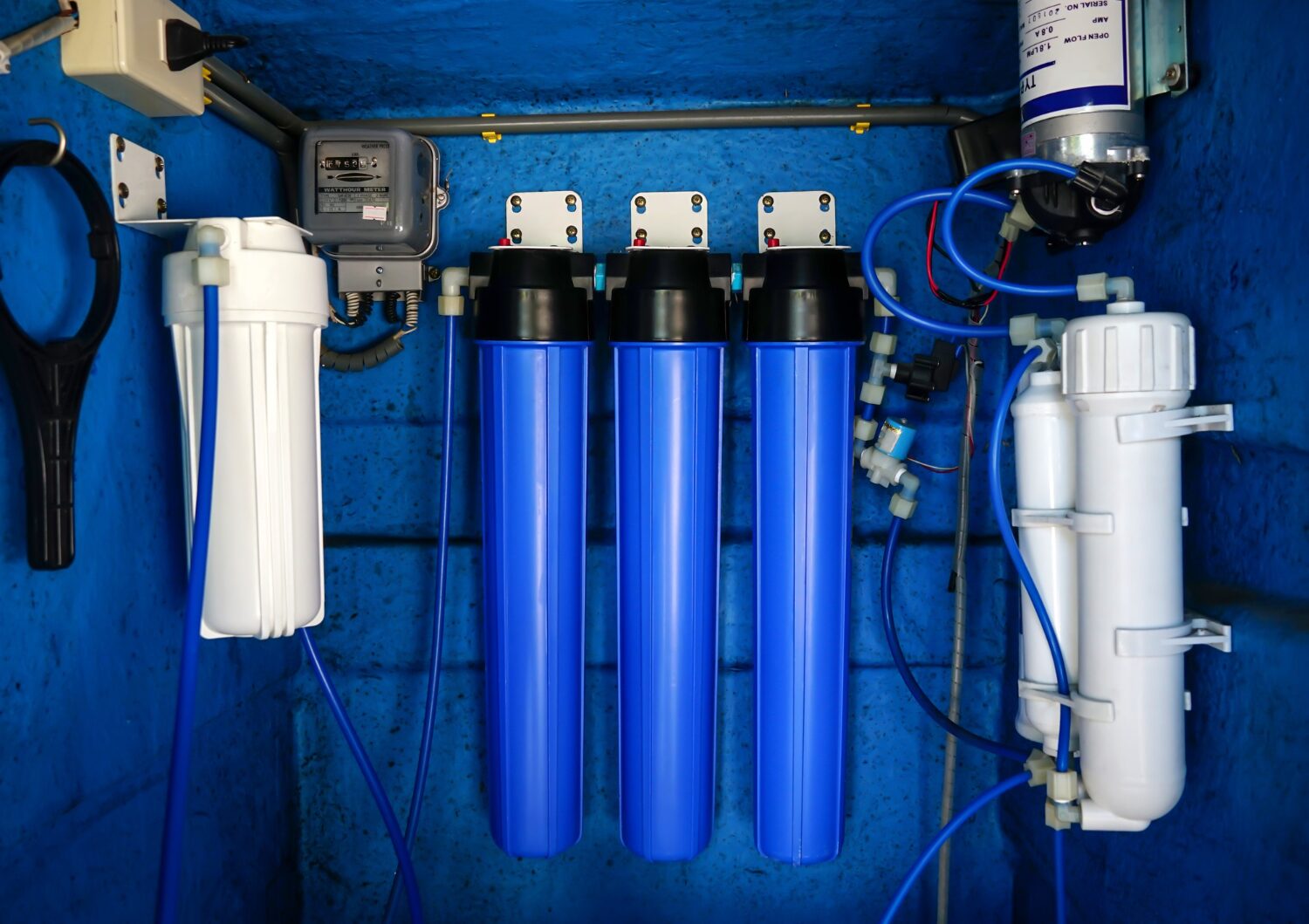
Filtration systems for fishmonger aquariums
Water quality is one of the most important factors for the proper operation of a professional aquarium. Indeed, the presence of live animals entails the continuous production of organic substances and residues that must be managed through an adequate treatment system. An efficient filtration system helps maintain the water in the conditions required by the design, reducing the accumulation of particles and undesirable substances. In professional systems, different types of filtration are generally integrated, each with a specific function.
Mechanical filtration allows solid residues in the water, such as organic particles and suspended material, to be trapped. This stage helps to maintain good clarity and to reduce the load of material reaching subsequent plant components. Biological filtration, on the other hand, plays an essential role in transforming the nitrogenous substances produced by the animals. Through the activity of specific bacterial colonies, it contributes to managing ammonia and nitrites, compounds that can be particularly harmful to aquatic organisms. Depending on the water characteristics and the system requirements, chemical filtration systems can also be included, useful for addressing specific dissolved substances. The combination of different technologies must be studied based on the overall volume, the quantity of animals housed and the expected biological load. A correctly sized filtration system is a fundamental investment for aquarium stability and for reducing daily management issues.
Water circulation and pumping system arrangements
Water circulation is essential to ensure the operation of a professional aquarium. Pumps allow water to be continuously moved between tanks and treatment systems, promoting a more uniform distribution of temperature and oxygen. A pumping system must be sized considering the volume of the tanks, the required flow rate, the characteristics of the piping and the pressure drops of the circuit. Choosing a pump based solely on its nominal capacity is not sufficient. Real operating conditions must be evaluated to verify that the actual flow rate is adequate for the system's needs.
Proper water movement helps limit the formation of stagnant areas and makes it possible to maintain more homogeneous environmental conditions inside the tanks. In large systems, centralised circuits can be used, through which multiple tanks are connected to a common plant room. This solution allows systems to be organized rationally and concentrates certain equipment in a dedicated room. Alternatively – when the species' characteristics require it – separate circuits can be set up, with independent pumping and treatment systems. The choice of configuration depends on the number of tanks, the species housed, the need to isolate certain compartments and the operational procedures of the fishmonger.
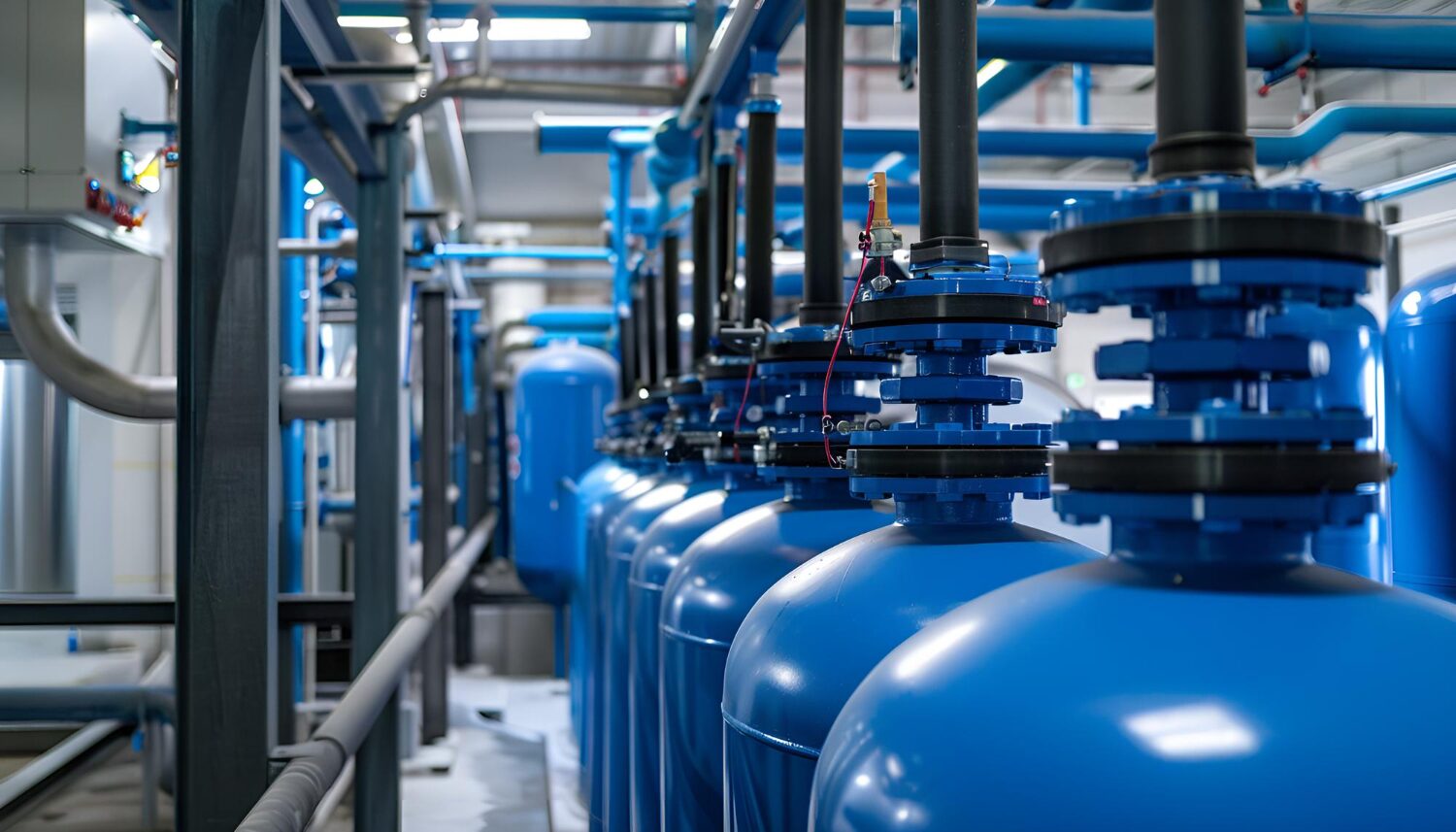
Oxygenation and temperature control system options
To maintain adequate environmental conditions inside a fishmonger aquarium, it is essential to constantly monitor the availability of dissolved oxygen and water temperature. Oxygen is necessary for the respiration of aquatic organisms and is continuously consumed by the animals and microorganisms present in the system. Its concentration can rapidly decrease in the presence of high biological density, unsuitable temperatures or circulation issues. For this reason, professional aquariums can be equipped with aeration systems, diffusers and specific devices to promote oxygenation. The configuration is determined taking into account the characteristics of the species housed and the operating conditions of the system.
Read moreClose
Temperature must also be managed with particular care. Different fish species and crustaceans may have varying thermal requirements, which must be considered during design. An adequately sized cooling system allows water to be kept within the expected ranges, compensating for heat generated by the environment and equipment. The choice of cooling system depends on numerous factors, including the total volume of water, the room temperature, the presence of lighting, the heat produced by pumps and external climatic conditions.
For professional systems, detection probes and automatic adjustment systems can be integrated to constantly monitor the main parameters. The availability of alarms and control devices also allows any anomalies to be identified promptly and dealt with before they can compromise the operation of the aquarium. Proper control of oxygenation and temperature is essential to ensure operational continuity and adequate conditions for the animals housed.
Hygiene, water treatment and sterilisation
The hygienic management of a fishmonger aquarium requires a set of technical solutions and coordinated maintenance procedures. Water quality must be monitored regularly, checking the main chemical and physical parameters and verifying the efficiency of the treatment systems. The technologies that can be used also include ultraviolet treatment devices. These systems are installed within dedicated hydraulic circuits and can contribute to reducing the microbial load present in the water passing through the device.
Read moreClose
The ultraviolet treatment represents a complementary component of the system and must be integrated with adequate filtration and proper water management. It is important to consider that no single device can replace the set of activities required to maintain an aquarium in appropriate conditions. Cleaning the tanks, removing residues, maintaining filters and checking equipment must be carried out regularly.
The design of a professional aquarium must therefore provide practical access to all components subject to maintenance, avoiding configurations that make cleaning operations or the replacement of components difficult. A well-organised system reduces the time required for routine work and makes management simpler for staff.
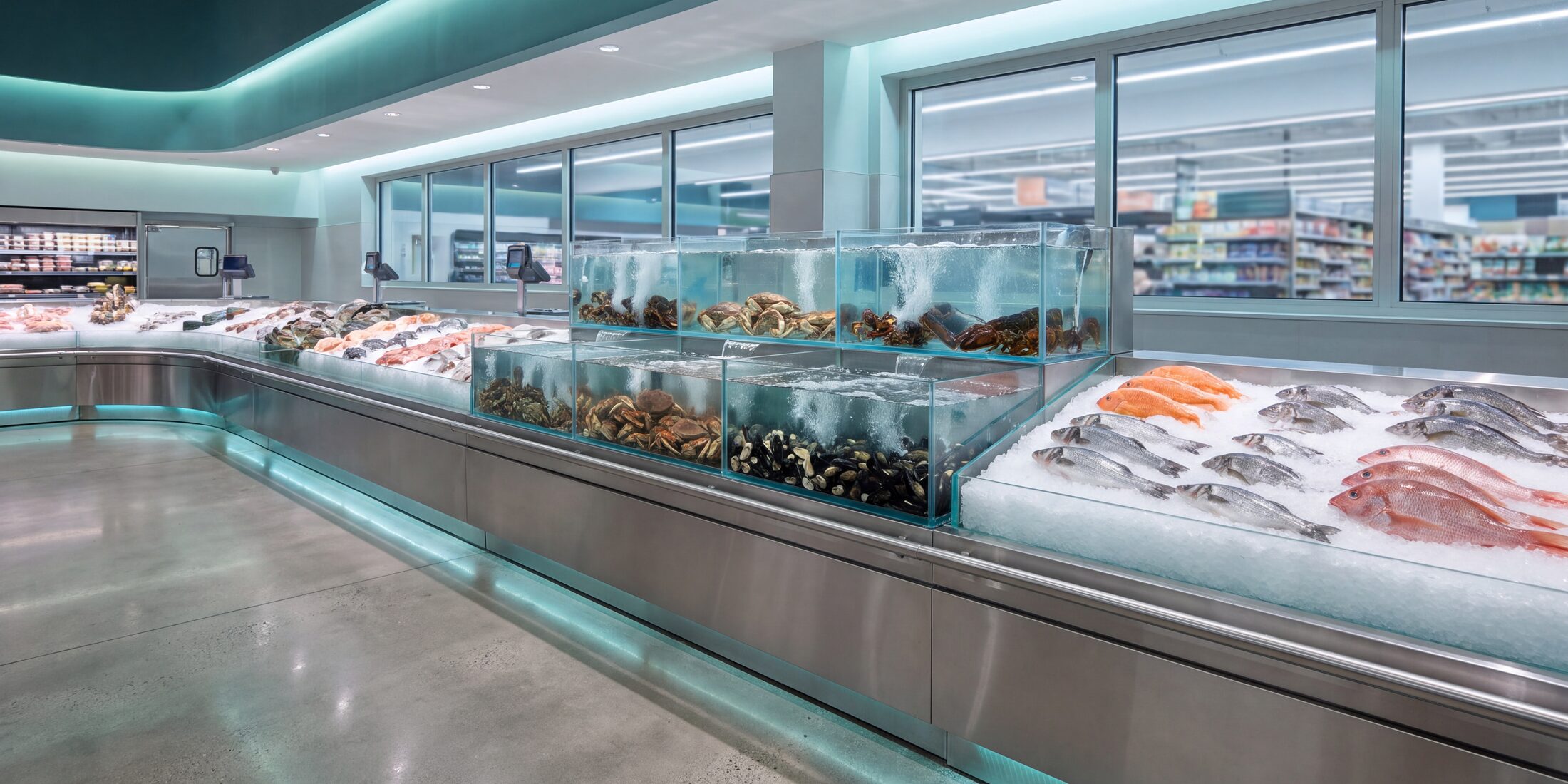
Aquariums for supermarkets and hypermarkets
Professional aquariums also find an important application within the fish counters of supermarkets and hypermarkets. In these contexts, the system must meet particularly complex requirements. Commercial spaces are often characterised by high sales volumes, frequent product handling and the need to guarantee continuous operation. The presence of an aquarium allows the offer of the seafood department to be expanded, introducing an area dedicated to the sale of live products and enhancing the overall image of the store.
Read moreClose
The tanks can be integrated directly into display counters or installed in free-standing structures designed to adapt to the furnishings and layout of the space. Modularity represents an important advantage. The ability to divide the system into multiple compartments makes it possible to organise the different species and manage available product quantities more flexibly.
In large retail outlets, it is possible to create centralised systems with a plant room dedicated to filtration, circulation, and the control of water parameters. This layout makes it possible to concentrate equipment in a service area, leaving the sales floor with a neat and easily accessible display area. Particular attention must be paid to continuity of operation. Any fault could compromise water quality and cause major consequences for the housed seafood.
For this reason, it is advisable to evaluate monitoring systems, fault reporting, and emergency solutions suited to the characteristics of the system. The design must also take into account the ease of intervention for technical staff and the ability to carry out maintenance without excessively interfering with normal supermarket activities.
Customised solutions for every type of business
Every fishmonger has specific characteristics that require a tailored design approach. The size of the premises, the location of the department, the number of tanks, the species sold, and the volume of seafood to be maintained are just some of the elements to evaluate before creating a new aquarium. A small fishmonger may need a compact solution capable of enhancing certain species without taking up too much space. A business specialising in the sale of crustaceans, on the other hand, may require several dedicated tanks with different features and a layout designed to facilitate animal retrieval.
Read moreClose
For a supermarket or hypermarket, it may be necessary to develop a larger system integrated with the department's furnishings and equipped with a plant room capable of managing multiple compartments. Customisation also applies to aesthetics. Structures can be built in different sizes, finishes, and configurations to adapt to the style of the retail outlet.
Lighting must highlight the product and allow good visibility of the animals without generating excessive heat inside the water. The position of the tanks must also be carefully studied, considering customer pathways, operational areas, and the space required for maintenance activities. A bespoke design allows better use of available floor space and results in a system consistent with the actual commercial and operational needs of the business.

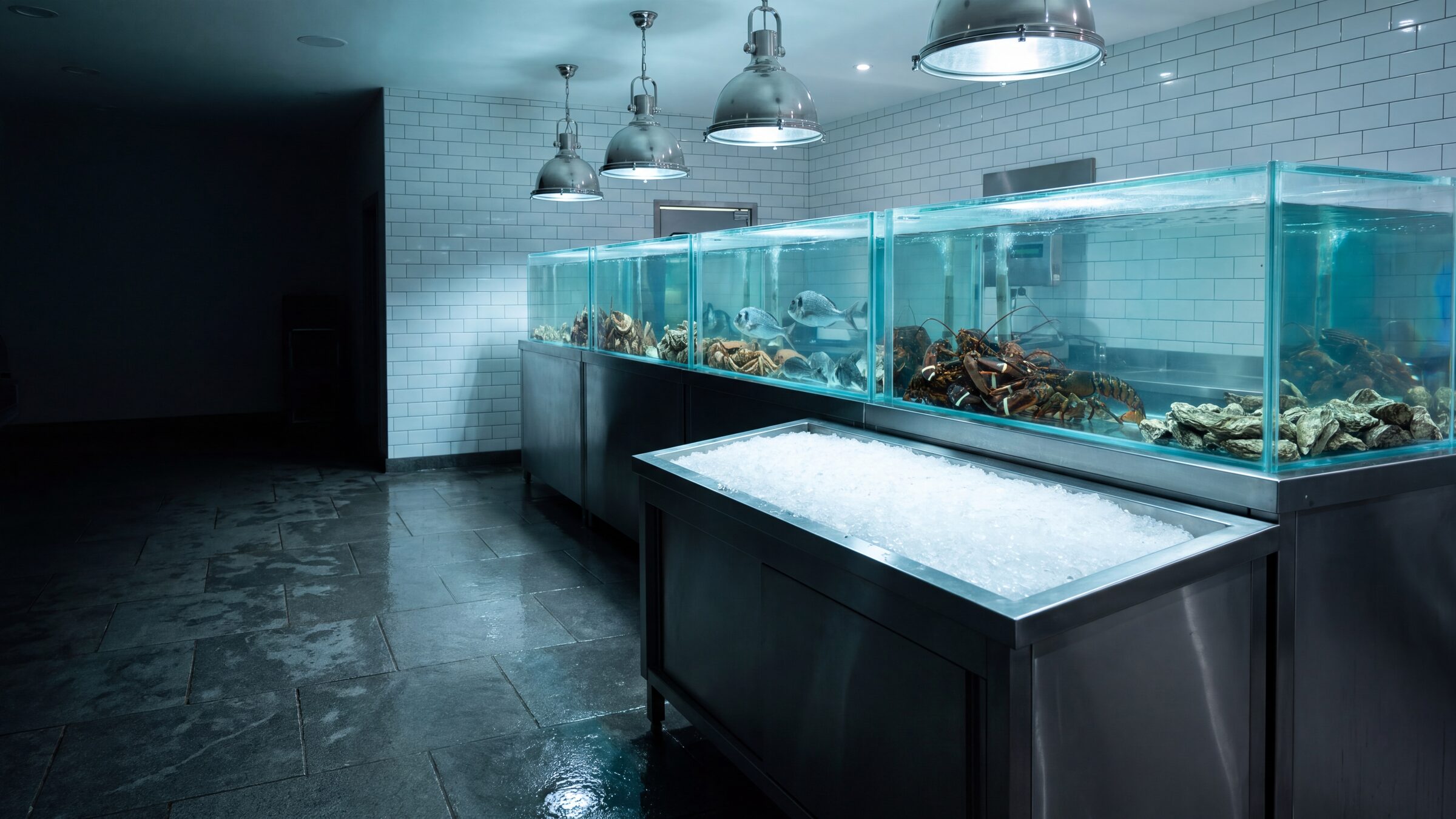
Design and construction of aquariums for fishmongers
The construction of a professional He.Re.Ca. aquarium requires expertise across several technical fields: structural design, hydraulic plumbing, water treatment, temperature control, and commercial space planning. The first stage consists of analysing customer requirements. It is important to understand which species will be housed, what quantities will need to be managed, and what the goals of the business are.
Read moreClose
Subsequently, the characteristics of the premises, the available dimensions, any architectural constraints and the possibilities for installing equipment are evaluated. Based on this information, a technical configuration is developed that defines the number and dimensions of the tanks, the layout of the hydraulic circuits and the characteristics of the treatment systems.
The design must also consider structural and system aspects, such as load distribution, drainage, electrical power supply and ventilation of any plant rooms. Once the solution has been defined, the structures are built, equipment installed and the various components connected. Before commissioning, it is important to check the hydraulic tightness, the correct operation of the pumps, the efficiency of filtration and the setting of control systems. The start-up phase must also include the biological preparation of the system and the necessary checks to ensure that water conditions are compatible with the intended species. Careful design makes it possible to achieve an aquarium that is easier to manage and better suited for continuous professional use.
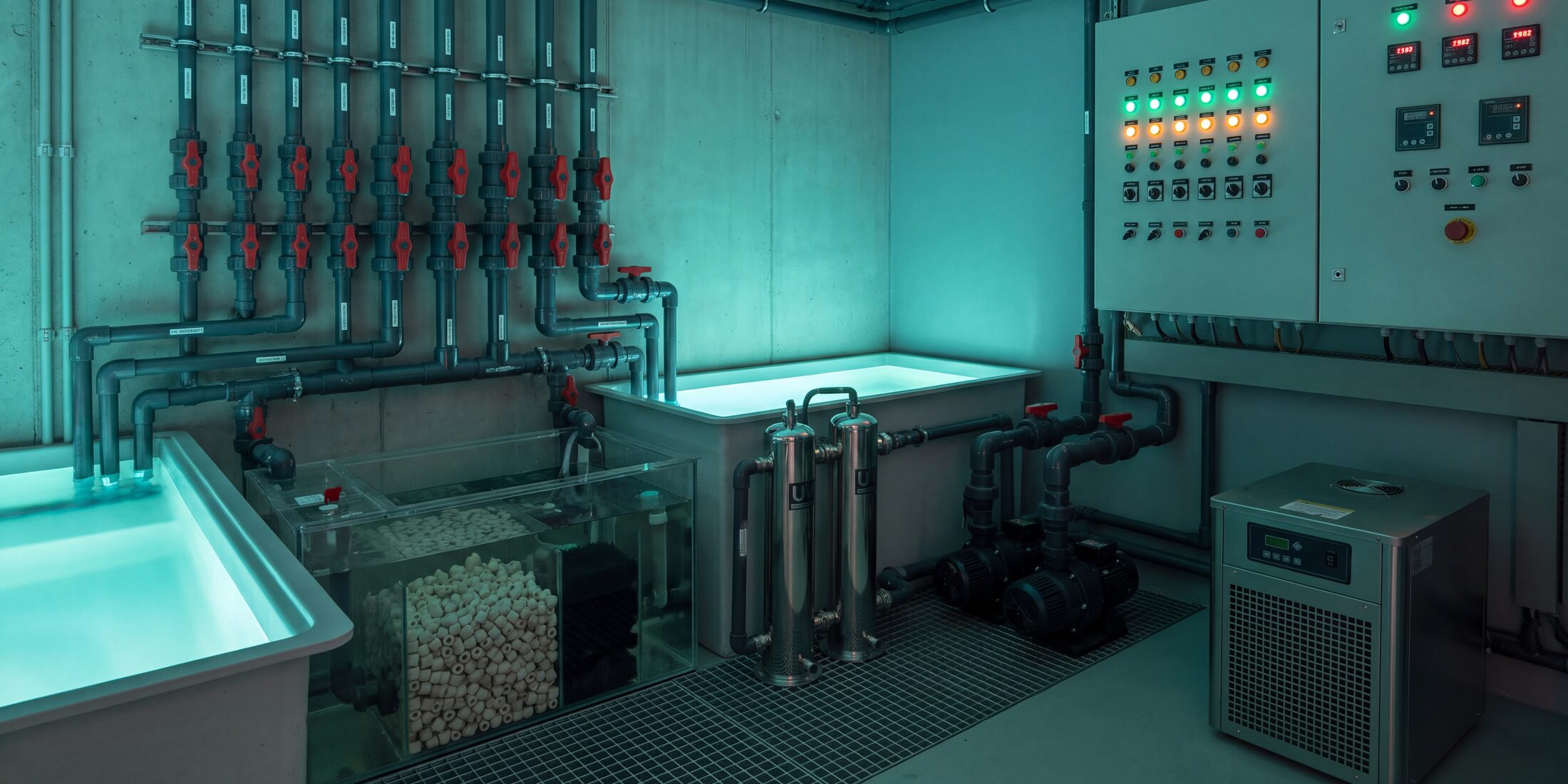
Modular aquariums and centralised systems
For fishmongers needing to manage multiple product types, modular aquariums represent a particularly interesting solution. The modular structure allows tanks to be arranged in different configurations, adapting the number of compartments to the available space and commercial requirements.
Read moreClose
Each module can be dedicated to a specific product category, facilitating display organisation and management activities. When the characteristics of the species allow, multiple tanks can be connected to a centralised technical system that manages water circulation and treatment.
In other cases, it is preferable to maintain separate circuits so as to individually control environmental conditions and prevent any problems in one compartment from affecting the others. Centralised systems can be particularly useful in large-scale businesses, where the presence of numerous tanks requires coordinated management of the equipment.
A dedicated plant room makes it possible to concentrate pumps, filters, refrigeration systems and control devices in a specially organised space. This solution facilitates maintenance operations and helps keep the sales area tidier. Modularity also offers the possibility of assessing potential future expansions, provided they are planned from the initial design phase and verified against the capacity of the entire system.
Energy efficiency and reduction of operating costs
A professional fishmonger aquarium must be designed taking into account energy consumption and operating costs. Pumps, refrigeration systems, lighting and water treatment equipment may remain active for many hours a day and, in numerous applications, must ensure continuous operation.
Read moreClose
Choosing correctly sized components allows energy waste to be avoided and the overall efficiency of the system to be improved. A carefully designed hydraulic circuit, for example, can limit pressure drops and reduce the workload required of the pumps. Tank and pipe insulation can also help limit unwanted heat exchange, reducing the workload of refrigeration systems.
Lighting must be selected considering both the quality of presentation and energy consumption alongside the heat produced. A further factor concerns ease of maintenance. Accessible components and rationally organised circuits allow servicing times to be reduced and routine activities to be simplified. Efficiency depends not only on the choice of individual equipment, but on the ability to design a system in which all elements work in a coordinated manner.
Maintenance and technical support for professional aquariums
Maintenance is an essential component to ensure the reliability of a fishmonger aquarium.
Read moreClose
Even a system built with quality materials and appropriate equipment requires periodic checks to maintain consistent performance over time. Routine activities include cleaning the tanks, removing residue, inspecting the pumps and checking the filtration equipment.
It is also necessary to regularly monitor water parameters, checking temperature, salinity, pH, dissolved oxygen and the main nitrogenous compounds according to the needs of the housed species. Filter maintenance must be scheduled to preserve the proper functioning of mechanical and biological systems, avoiding interventions that could compromise the system's balance. Refrigeration systems, probes and control devices also require periodic checks.
Having a maintenance schedule helps staff identify any anomalies and prevent breakdowns that could compromise the management of live stock. For larger systems, it may be appropriate to set up emergency procedures, warning systems and spare components for key functions. A qualified technical support service represents added value, especially for businesses that rely daily on the proper functioning of their aquariums.
Why choose a professional aquarium for your own fishmonger's
Investing in a professional aquarium means significantly improving the presentation of seafood, expanding commercial opportunities, and managing live species more effectively. The presence of display tanks allows you to differentiate your offering compared to businesses that exclusively sell pre-processed or chilled products. Customers can directly observe some of the available species and appreciate the variety of the assortment.
Read moreClose
From a commercial point of view, a well-designed aquarium helps make the department more recognisable and creates a distinctive element within the shop. Work organisation can also benefit from a rational tank layout. The division of compartments, access layout, and equipment centralisation make it possible to simplify numerous daily operations.
The advantages of a professional system can be summarised in several aspects:
Better enhancement of seafood through an orderly and transparent display. Ability to keep live fish, crustaceans, and molluscs in environments designed according to their needs. Organisation of species in dedicated tanks and compartments. Control of key water parameters through treatment and monitoring systems. Greater convenience in loading, unloading, cleaning, and maintenance operations. Possibility to integrate aquariums into the furnishings and organisation of the sales department.
Customised solutions for commercial businesses of different sizes. Possibility to design modular and centralised systems based on operational needs. Every advantage naturally depends on correct design and ongoing management of the system. Choosing a professional solution should therefore be considered a structural investment for your business.
Aquariums for fishmongers: request a customised project
Are you planning a new fishmonger or looking to renovate the seafood department of your business?
The creation of a professional aquarium can represent an important opportunity to improve display, expand the range, and make the management of live products more efficient.
Every business has different requirements and requires a solution designed based on available space, species sold, and product volumes to manage. From small display tanks to multi-compartment systems, from aquariums for crustaceans to centralised systems for supermarkets and hypermarkets, custom configurations can be developed to meet various operational needs.
The first step is to analyse the characteristics of the store and define project goals together. Request a consultation to evaluate the solution best suited to your business. You will be able to explore installation options, technical features of tanks, water treatment systems, and available configurations.
Useful links & resources:
Websites and reference entries mentioned in the chapters, listed in full.